
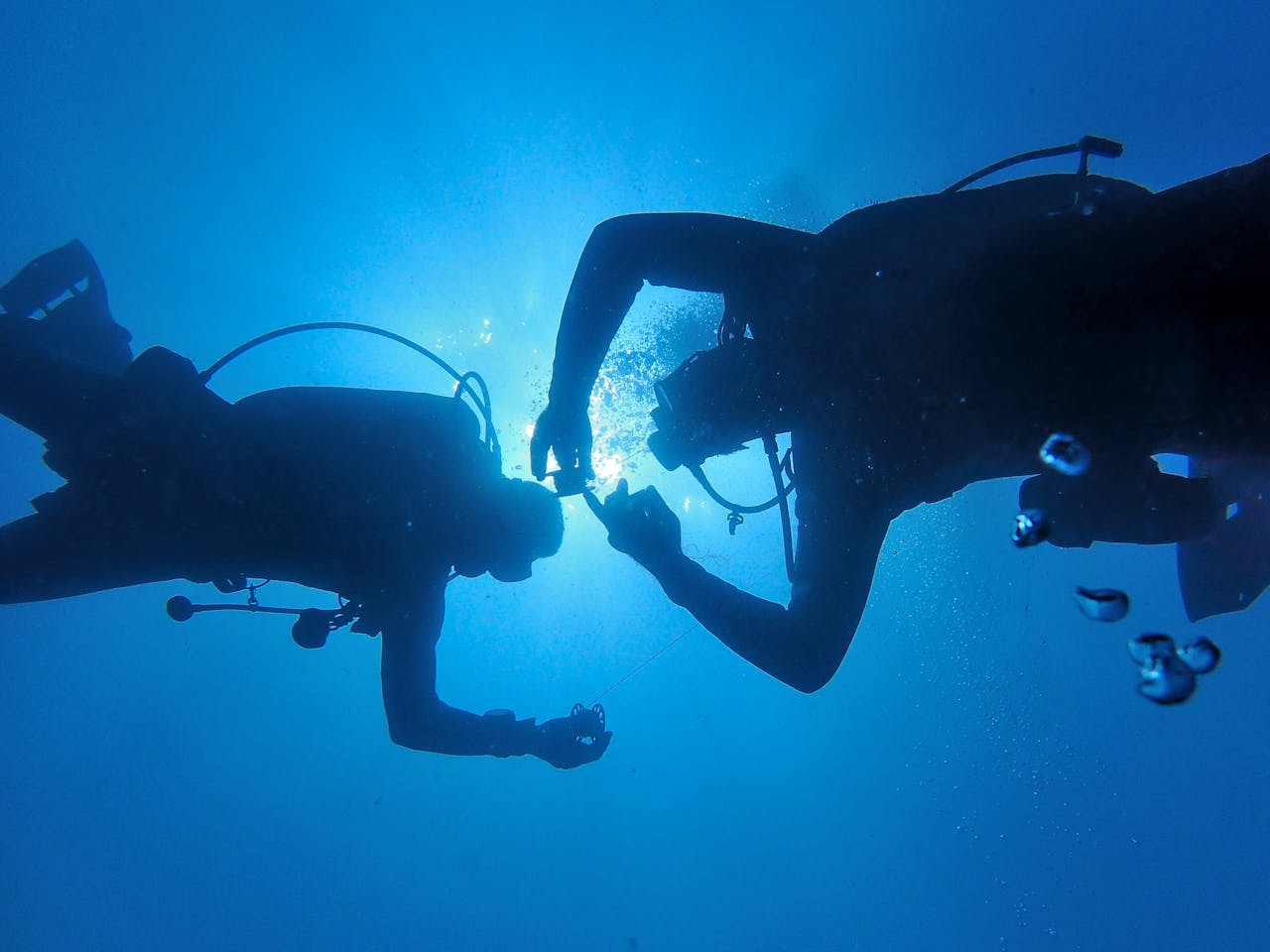
It’s estimated that anxiety disorders impact over forty million people throughout the United States, and millions across the world. Consequently, many adults look for unique and fun ways to lessen their stress and anxiety. One popular, yet relatively unexpected way of achieving relaxation and easing anxiety disorders, is scuba diving. At first, the thought of exploring the ocean depths seems like it could be scary or not that conducive to relaxation.
Understanding Anxiety in Adults

Symptoms of anxiety include constant worrying, feeling tense, an increased heartbeat, muscle strain and being unable to focus for long periods. Constant worry and stress can take an unhealthy toll on people, both mentally and physically and can affect health, sleep, relationships, work life and leisure activities. Although therapies like CBT and medication do help, many adults seek activities that allow for exercise, mindfulness and relaxation.
Relaxation Induced Through Scuba Diving
Scuba diving goes beyond being a thrill activity; it is an activity that promotes relaxation through a peaceful and tranquil underwater atmosphere. The surrounding is serene and quiet, creating an environment for the brain to relax. The presence of water creates a situation where there is reduced stimulation, giving the opportunity to concentrate on one’s breathing and present state, just like in meditation.
Breathing exercises form a significant element of scuba diving. In this case, divers breathe at a slow pace, and it produces some physiological reactions in the body.
Specifically, slow breathing causes the activation of the parasympathetic nervous system that triggers a feeling of relaxation. Consequently, regular breathing exercises during diving can lead to reduced anxiety among adults outside diving sessions.
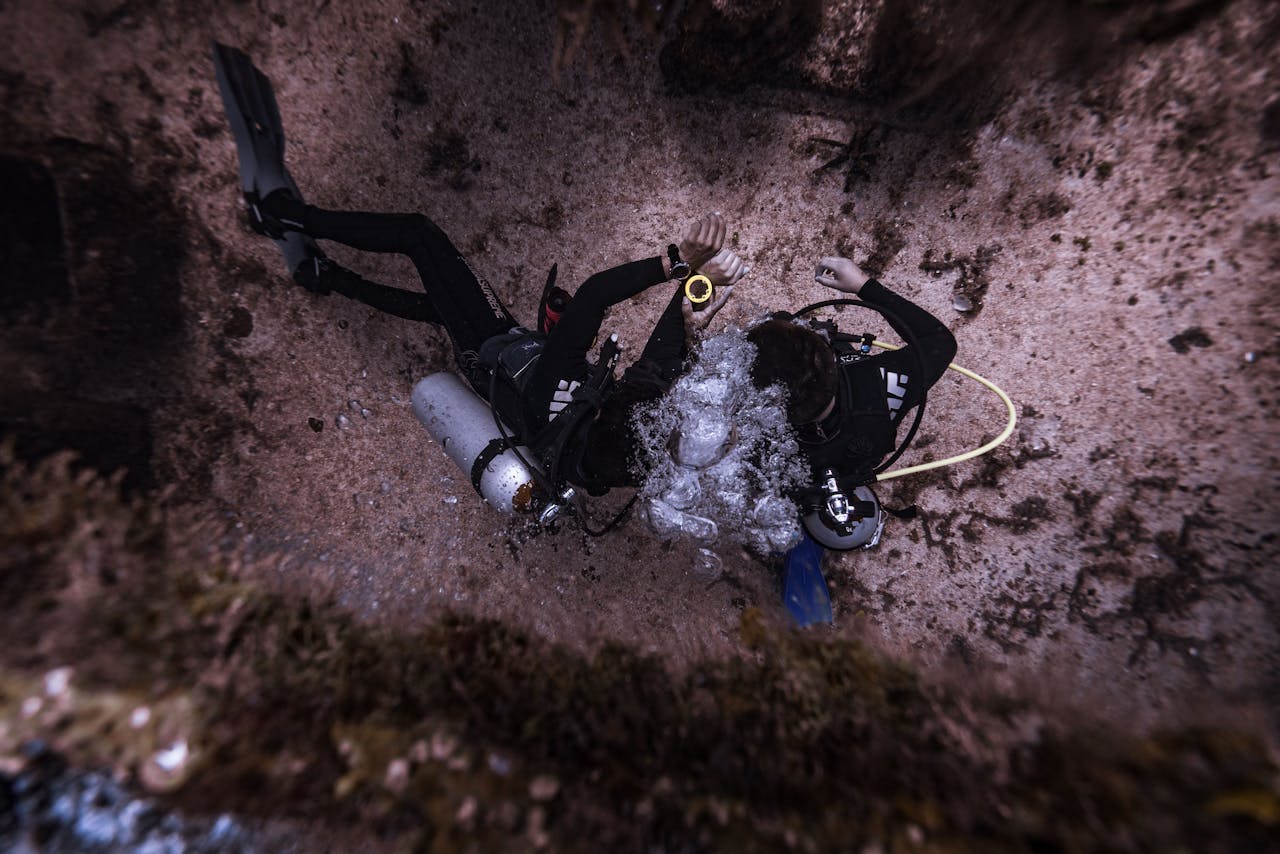
Connecting with the mindfulness practice of scuba diving:Being mindful means actively and non-judgmentally acknowledging what is going on around you as well as what’s going on within your body, within your thoughts and your feelings.
Scuba diving requires you to be fully present; paying attention to your breathing, your buoyancy and your surroundings. When swimming calmly through water and looking at life on the reefs, your mind may be stilled of racing thoughts and a sense of peace is found.
Mindfulness can diminish the effect of anxiety by aiding people to distance themselves from their obsessive thinking. Physical exercise that is conducted with attention and present awareness such as scuba diving could be a form of mindfulness training for adults.
Physical exercise and mental health;Physical exercise can improve people’s health, reduce anxiety and help manage anger, this could be because it produces positive feeling body chemicals called endorphins.
The activity of scuba diving is a low-impact full body work out; you are using many different muscles, strengthening them, while increasing your cardiovascular fitness and overall fitness.
People are gaining positive feelings from this because endorphins are produced to give people positive feelings, and these help reduce negative thoughts and improve the state of emotion.
Social connections of scuba diving: Scuba diving involves moving into pairs, often on an organised group. A strong sense of social connection with others can help people with anxiety as it is positive to have support and be able to interact with others, improving people’s sense of themselves, diminishing the feeling of isolation.
If the individual does feel anxious when undertaking diving experiences they can get moral support and a boost of self confidence from others in the diving group, and this may encourage and increase the enjoyment and frequency of their Diving.
Safety and Preparation
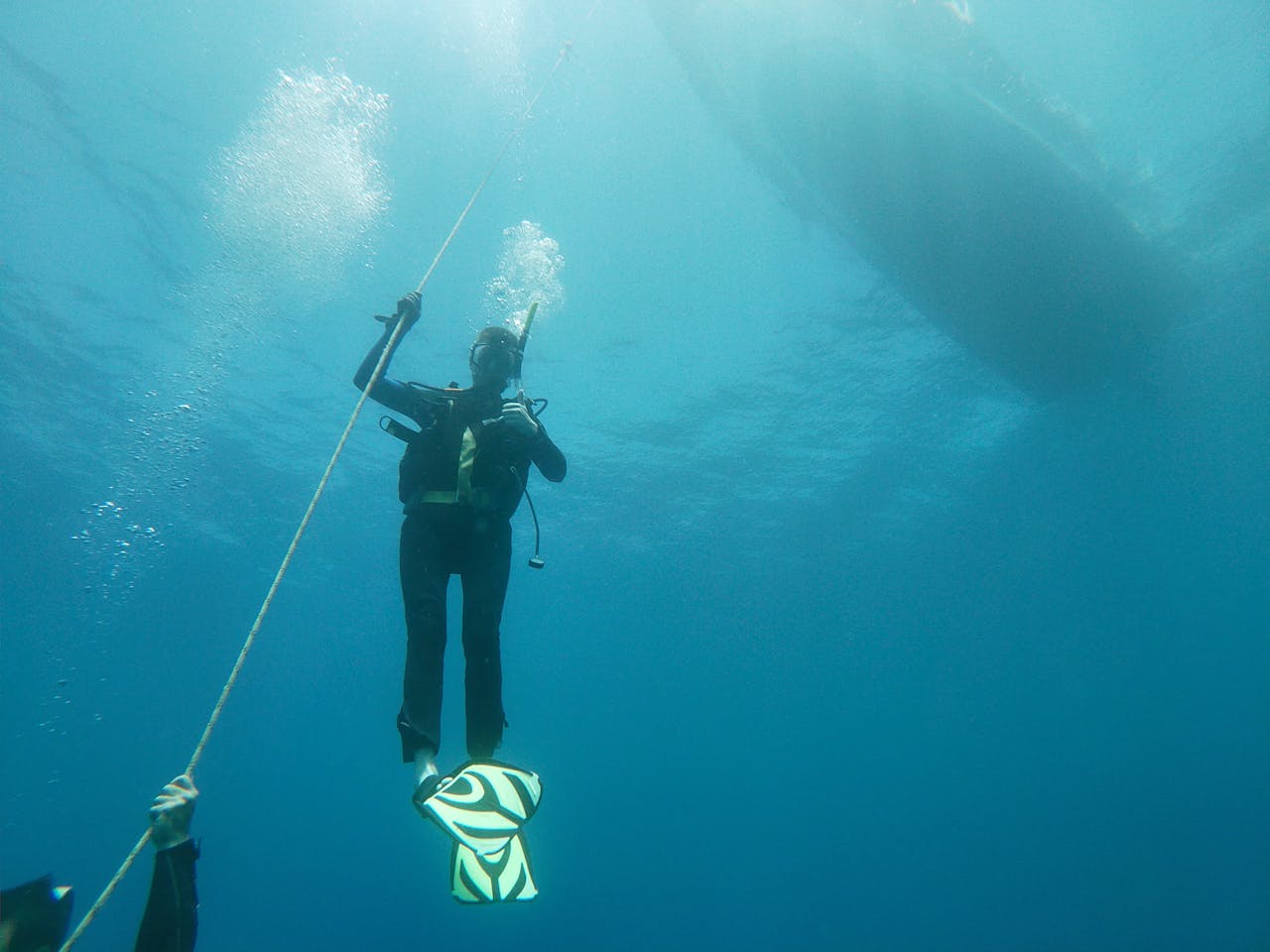
Although scuba diving provides benefits for managing anxiety there are safety measures that must be considered. It is important for adults who would like to try scuba diving to get trained with a certified diving instructor. Appropriate diving gear should be used, and the first few dives should take place in calm settings such as a shallow lake or shallow waters of the ocean to avoid any unnecessary stress.
By slowly getting adults acclimated to the water and diving, it helps in managing stress because the dives are enjoyable and not intimidating.
Experiences of Real People
Most divers who were surveyed claim to feel a sense of peacefulness and freedom in the water that they do not experience on land.
The controlled breathing, relatively slow pace of the sport, and focus required to enjoy the experience makes for a new way to control anxiety. Scuba diving cannot replace the advice given during therapy and is not a cure for medical conditions that cause anxiety; however, scuba diving can be an excellent adjunct therapy to use.
Conclusion
More than just an enjoyable sport, scuba diving can also be an effective strategy for adults to relieve themselves of their anxiety. Scuba diving appeals to its users’ ability to control breathing, be in a peaceful state, involve their body in slow, controlled movement, and communicate with others in the diving community.
While it is advised to receive training and dive with safety in mind, scuba diving may also be incorporated into a mental health routine to reap the emotional and physical benefits.
It is important for all adults who are facing anxiety to take appropriate steps to manage their stress, but activities such as scuba diving might present some great avenues to explore in managing anxiety, gaining new skills and learning to accept oneself. By using both professional assistance and mindful therapeutic activities, adults will be able to work through and manage their anxiety in order to lead a happier and healthier life.